Relational Intelligence: The Leadership Skill No One Talks About
Most leaders got where they are because they were excellent at something — closing deals, solving problems, building products. But being great at a skill doesn't mean you know how to lead people. And the gap between technical excellence and leadership effectiveness has a name that most organizations have never heard of: relational intelligence.
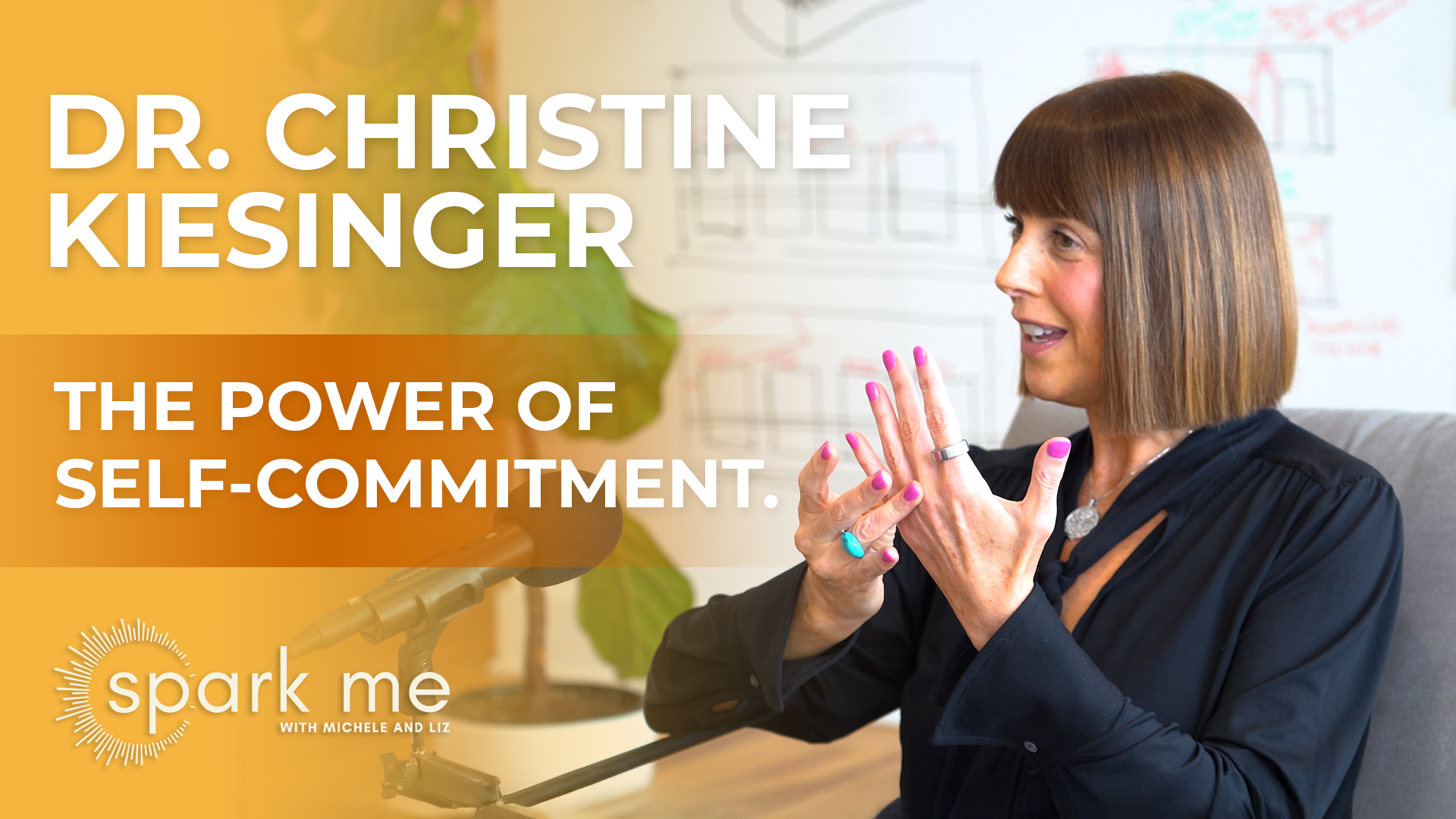
Dr. Christine Kaisinger, a doctor of relational communication with nearly 30 years in academia and a thriving executive coaching practice, has spent her career studying what makes relationships work — and what makes them fall apart. Her conclusion? Emotional intelligence is important, but it's not enough. Leaders who truly want to build high-performing teams need to develop something deeper: the capacity to build, sustain, repair, and transform relationships through intentional communication.
What Is Relational Intelligence?
Relational intelligence, as Dr. Kaisinger defines it, is the capacity to build a stable foundation for healthy relationships — whether in life, leadership, or love — and then maintain, repair, and transform those relationships over time.
It's a concept she distinguishes clearly from emotional intelligence. While emotional intelligence focuses on recognizing and managing emotions in yourself and others, relational intelligence goes further. It asks:
- Can you build trust from the very first interaction?
- Can you sustain connection over time, even when things get hard?
- Do you know how to repair a relationship when it breaks down?
- Can you transform a relationship that's no longer working rather than simply abandoning it?
These aren't soft skills. They're the foundational architecture of every functional team, every productive workplace, and every leader worth following.
Why Most Leaders Are Relationally Under-Equipped
Here's the uncomfortable truth Dr. Kaisinger encounters regularly in her corporate work: most leaders have never been trained in relational skills. "You didn't go to leadership school," she points out. "Most people who are leaders are in their position because they were really good at something that they did. That doesn't mean that they know how to lead."
The result is predictable. Leaders default to task-oriented management. When a team member underperforms, the instinct is to ask, "Why isn't this goal being met?" rather than "I wonder what could be going on here." That subtle shift — from evaluation to attunement — is the difference between managing outputs and leading people.
Dr. Kaisinger identifies three critical gaps she sees most often in leadership:
An inability to read people. Many leaders lack the attunement to sense what's happening beneath the surface with their team members. They miss the emotional cues that signal disengagement, burnout, or interpersonal conflict.
No intentionality around connection. It's simply not on their radar that the atmosphere of an organization should be hospitable to human connection. The culture defaults to transactional rather than relational.
Dysfunctional teams with unaddressed interpersonal dynamics. When teams are stuck professionally and not reaching goals, the root cause is almost always something interpersonal. But leaders try to solve it with strategy meetings and performance reviews instead of addressing the relational breakdown.
The Staggering Cost of Workplace Loneliness
The stakes here aren't abstract. Dr. Kaisinger references the work of former U.S. Surgeon General Dr. Vivek Murthy, who published a seven-part series in the Harvard Business Review on workplace loneliness. The findings were, in her words, "absolutely chilling."
The average adult will spend approximately 90,000 hours at work over the course of their lifetime. When those hours are spent feeling disconnected, unseen, or isolated, the physiological toll is devastating. Workplace loneliness isn't just bad for morale — it's a public health concern.
And here's what the research consistently shows: people don't quit their jobs because they hate the work. They quit because they don't feel connected. They don't feel like they belong.
Think about the concept of a "workplace best friend" — that one person you can go to, close the door, and say everything you need to say. It might sound trivial. It's anything but. That sense of familial, community-based connection — the feeling that "we're here for each other" — is one of the strongest predictors of employee retention.
What Relationally Intelligent Leadership Looks Like in Practice
So what does this look like when it's working? Dr. Kaisinger points to something deceptively simple: creating space for people to be human together.
One powerful example came from a small financial firm where a team member — originally hired as a receptionist — started an informal tradition of having the whole team eat lunch together. No agenda. No work talk. Just people sharing what's happening in their lives, what shows they're watching, what their kids are up to.
Twenty years later, that daily ritual is still going strong. And the firm's leadership credits it as foundational to their culture and business success.
This isn't about forced fun or mandatory team-building exercises. It's about creating the conditions where genuine connection can happen organically. It's about leaders projecting what Dr. Kaisinger calls executive presence — a quality that is simultaneously commanding and welcoming. People need to know you can chart a course and hold the standard, but they also need to feel that you're approachable, open, and genuinely interested in who they are.
"If the relational component's not there, it's very difficult for teams to actually trust you," Dr. Kaisinger says plainly.
The Space Communicates Too
One often-overlooked dimension of relational intelligence is the physical environment. Dr. Kaisinger notes that space communicates — powerfully. Walking into an office with natural light, plants, warm colors, and open layouts tells a story before anyone says a word. Conversely, windowless cubicle farms where people can't even see each other send a very different message about how much connection is valued.
"Your culture can't thrive as much as it might have the potential and opportunity to if your surroundings aren't sending the same message," observed one of the podcast hosts, an architect by training. The relational environment and the physical environment need to work together. Leaders who invest in one but ignore the other are leaving performance on the table.
It Starts With the Relationship You Have With Yourself
Perhaps Dr. Kaisinger's most provocative insight is that relational intelligence in leadership begins not with your team — but with yourself. She calls this the intrapersonal relationship, and she believes it's the foundation everything else is built on.
"What is your capacity to listen to the sound of your own voice?" she asks. "And by that I don't mean my voice as you're hearing it now. I mean to really turn in and listen to that voice inside."
Leaders who haven't cultivated a deep relationship with themselves — who haven't examined their own patterns, motivations, and blind spots — will inevitably bring those unresolved dynamics into every team interaction, every difficult conversation, every strategic decision.
Dr. Kaisinger learned this lesson through personal experience, including a difficult divorce that taught her she had spent years not using her voice — not asking for help, not naming what was wrong, not speaking her truth. That realization led her to develop what she calls "the vow" — a practice of deep self-commitment that she now teaches to leaders and individuals alike.
The principle is straightforward: if you can't make and keep promises to yourself, how can you authentically lead others?
Building Your Relational Intelligence: Where to Start
For leaders ready to develop their relational intelligence, Dr. Kaisinger suggests starting with these practices:
- Attune before you assess. When something isn't working on your team, pause before jumping to judgment. Ask yourself what might be going on beneath the surface.
- Create space for connection. Whether it's a shared lunch, an open-door policy, or simply asking someone how they're really doing — make relationship-building a deliberate part of your leadership practice.
- Examine your own intrapersonal relationship. Are you listening to your own inner voice? Are you honest with yourself about what's working and what isn't? Sovereignty over your own mind is the starting point for leading others well.
- Learn to repair, not just perform. Every relationship will hit friction. The leaders who earn lasting trust are the ones who know how to acknowledge a breakdown and work through it — not pretend it didn't happen.
The Bottom Line
The Harvard study on human happiness and longevity found that the number one contributing factor is the quality of your relationships. Not wealth. Not status. Not achievement. Relationships.
That finding applies in every boardroom, on every team, and in every leadership moment. Relational intelligence isn't a nice-to-have. It's the skill that determines whether your people trust you, stay with you, and do their best work alongside you.
As Dr. Kaisinger puts it: "My leadership is effective to the degree that I have relational intelligence and have the capacity to build and sustain and repair and even transform relationships."
The leaders who understand this will build cultures people never want to leave. The ones who don't will keep wondering why their best people walk out the door.