You're Negotiating Every Day—Here's Why That Matters
You negotiated before you even left the house this morning.
Did you hit snooze? That was a negotiation—with yourself. Did you decide what to eat, who's driving the kids, or whether to respond to that email now or later? All negotiations. Did you agree to a meeting time, suggest a restaurant, or ask your partner to handle pickup? Negotiations, every single one.
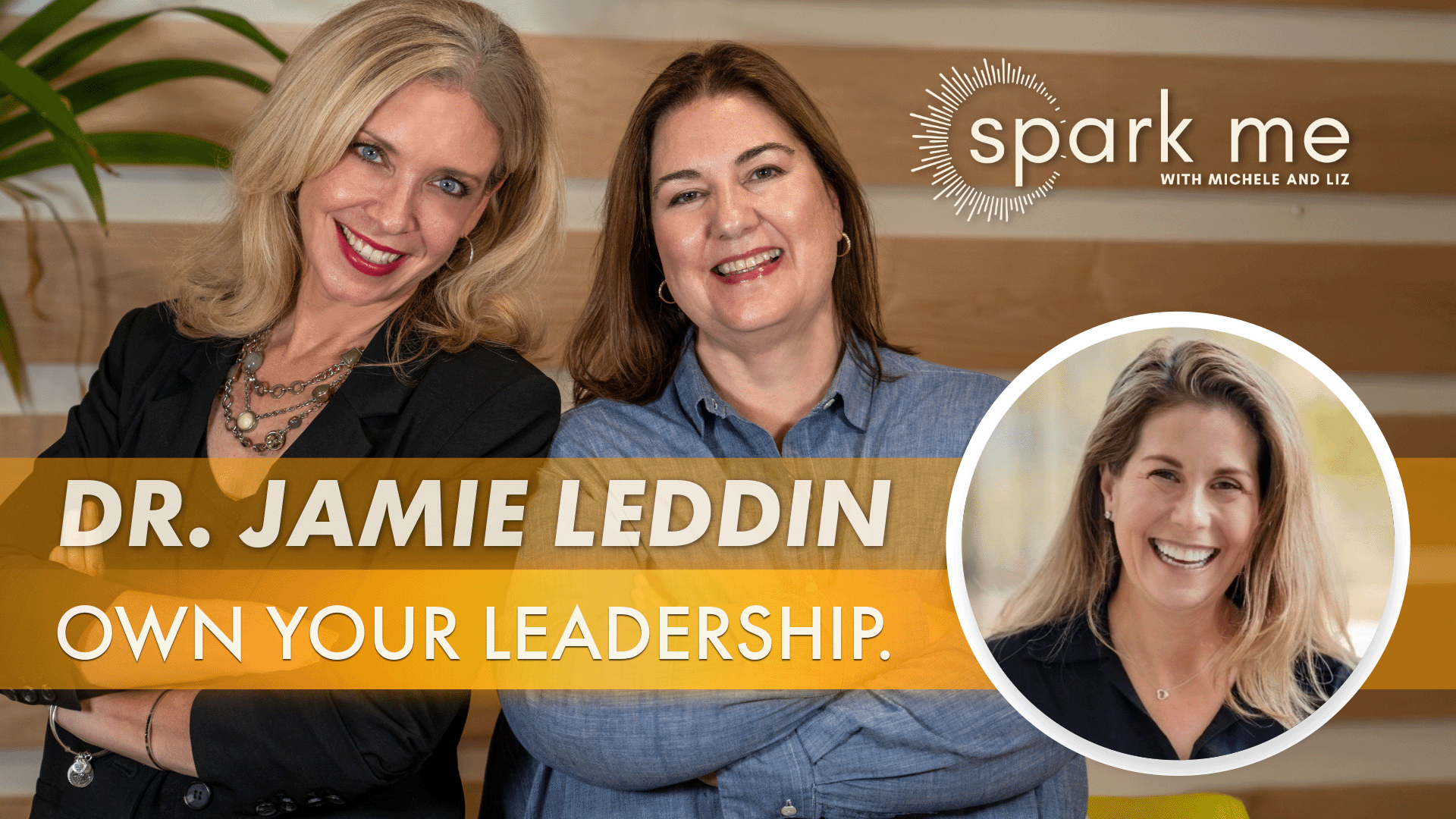
Most people hear the word "negotiation" and picture boardrooms, contracts, and high-stakes salary conversations. But according to Dr. Jamie Leon, professor of practice at Vanderbilt University and a leading voice on negotiation and leadership, the reality is far more pervasive—and far more personal—than we think.
"We're all negotiating," Dr. Leon says. "Most people just don't think of it that way."
And that's exactly the problem.
The Negotiation You Don't See
Here's a question worth sitting with: if you're negotiating dozens of times a day but you've never been taught how to do it well, what are you leaving on the table?
The answer, it turns out, is a lot—not just in money, but in time, energy, relationships, and quality of life.
Dr. Leon points out that negotiation isn't reserved for corporate deal-making. It shows up in every conversation where two or more people are trying to reach an agreement, make a decision, or navigate competing needs. That includes:
- Asking your boss for a hybrid work arrangement
- Deciding with your spouse what's for dinner tonight
- Setting boundaries with a colleague about workload
- Convincing your kids to get ready for school on time
- Responding to an email that requires a thoughtful "no"
Once you start seeing these moments for what they are, you approach them differently. You prepare. You listen. You think about what the other person actually needs. And that shift—from reactive to intentional—changes everything.
Why Preparation Is the Real Superpower
If there's one message Dr. Leon drives home with her students and coaching clients, it's this: the key to negotiation is preparation.
Not charisma. Not dominance. Not having the perfect comeback. Preparation.
"If I go in and I've prepared for negotiating with my boss, and I know that he will accuse me, praise me, distract me—I need to prepare for that," she explains. "I need to have my interests laid out before I walk into that negotiation."
This sounds obvious in the context of a salary conversation, but it applies just as powerfully to everyday interactions. Before you walk into any conversation where something is at stake—your time, your boundaries, your needs—ask yourself three questions:
- What do I want out of this? Get clear on your own interests first.
- What does the other person want? What are they stressed about? What's keeping them up at night? What would make this a win for them?
- What options exist that could work for both of us? The goal isn't to win at someone else's expense. It's to find a path where both sides come out ahead.
This framework works whether you're 22 or 92, whether you're negotiating a multimillion-dollar contract or trying to figure out vacation plans with your in-laws.
The Win-Win Isn't a Cliché—It's a Strategy
Dr. Leon is quick to acknowledge that "win-win" is an overused term. But she's equally quick to defend it.
"The more I win as the individual, the more the organization should win," she says. "And that's really what we should be focused on."
This means that when you go to your boss with a request—more flexibility, more support, a team change—you don't just show up with your problem. You show up with their interests in mind.
She shares a powerful example: instead of simply saying, "I need to work from home two days a week," a skilled negotiator frames it differently. "I know we're on tight timelines. I've been thinking about what's best for the team, and here's how a hybrid arrangement could help us hit our targets more effectively."
When you lead with the other person's interests—not just your own—you have a fundamentally different conversation. You're no longer asking for a favor. You're proposing a solution.
One guest on the Spark Me podcast, Beth Chehuy, a senior leader at Procter & Gamble, did exactly this. She negotiated a work-from-home arrangement long before it was standard at the company—not by demanding it, but by framing it as a measurable win for her employer. She even offered a trial period and was willing to accept the consequences if it didn't work. That's preparation meeting courage, and it paved the way for other women leaders behind her.
When Emotions Take Over, Preparation Takes the Wheel
One of the trickiest parts of any negotiation—whether it's with your boss, your partner, or your teenager—is managing emotion.
Dr. Leon doesn't shy away from this topic: "When I see someone start to get extremely emotional, I know I've won the negotiation."
That's not a callous statement. It's a practical one. When emotions take control, clarity disappears. You stop advocating for your interests and start reacting. The conversation shifts from productive to personal, and the outcome almost always suffers.
Her advice? Prepare for the emotional triggers, not just the talking points.
If you know your boss tends to deflect with flattery, prepare for that. If your partner tends to shut down when money comes up, prepare for that too. Think through the likely responses and decide in advance how you'll stay grounded.
Being emotional isn't something to be ashamed of, Dr. Leon emphasizes. But in a negotiation, the person who can stay focused on interests rather than emotions is the person who walks away with a better outcome.
The Black Swan: What You Don't Know You Don't Know
Dr. Leon is a fan of Chris Voss's work in Never Split the Difference, and one concept she particularly values is the "black swan"—the unknown unknowns that exist in every negotiation.
She illustrates this with a disarmingly personal story. Her husband was traveling for work and offered to stop home for a couple of days. She told him not to bother—she was fine. She meant it. She's independent, capable, and didn't need him to come home.
But he came anyway.
And when he left, she told him he was right. She had needed the time together. She just didn't know it.
"That was my very vulnerable, very honest black swan," she says.
The lesson applies everywhere. When someone tells you it's about the salary, maybe it's really about feeling valued. When your partner says they don't care where you eat, maybe they're actually craving quiet time together. When your employee says everything is fine, maybe they're burning out.
Your job as a negotiator—in business and in life—is to ask better questions and listen for what's underneath the surface. The real interest is often hiding behind the stated position.
Negotiation Is a Life Skill, Not a Business Skill
What strikes me most about Dr. Leon's approach is how she dissolves the boundary between "professional negotiation" and "real life." Because there is no boundary. The skills that help you negotiate a raise are the same ones that help you navigate a tough conversation with a friend, set boundaries with a family member, or advocate for what you need in a relationship.
And here's the encouraging part: negotiation is a learned skill. You weren't born good or bad at it. You can study it, practice it, and get better—starting today, starting with the next conversation you have.
Dr. Leon recommends two foundational books for anyone ready to start:
- Never Split the Difference by Chris Voss — practical, accessible, and grounded in real-world high-stakes negotiation
- Getting to Yes by Roger Fisher and William Ury — the classic framework for principled, interest-based negotiation
Read them both. They approach negotiation from slightly different angles, but together they give you a powerful toolkit.
Start Tonight
You don't need a boardroom to practice. You need dinner.
Tonight, when the inevitable "what should we eat?" conversation begins, pause. Notice what's happening. Ask yourself what the other person actually wants—not just the food, but the experience. Maybe they want connection. Maybe they want ease. Maybe they just want to feel like someone else made the decision for once.
Then respond with that awareness.
That's negotiation. That's leadership. And it's available to you right now, no title required.